12 October 2026
Exploring the Laughing Buddha Strain: A Sativa Experience Worth Your Time
Presented by @getlaughingbuddhastraindigest
There is a quiet satisfaction in finding a sativa that actually delivers what it promises. Not every strain that calls itself uplifting really earns that label. Some leave you foggy, others too edgy. The Laughing Buddha strain is one of the few that walks the line between energy and ease without stumbling. It has been around long enough to earn a reputation among seasoned growers and casual smokers alike, yet it never feels like a relic. It feels like a well-aged friend who still knows how to surprise you.
I first came across this strain a few years ago while visiting a small dispensary in British Columbia. The budtender, a wiry guy with a trimmed beard and a patient smile, handed me a jar and said, "This one will make you want to talk." He was right. The Laughing Buddha strain hit with a clean rush of mental clarity that lasted a good two hours. No crash, no cottonmouth, just a steady hum of focus and a mild sense of amusement at everything around me. It reminded me of why I gravitate toward sativa strains in the first place.
What Makes the Laughing Buddha Strain Stand Out
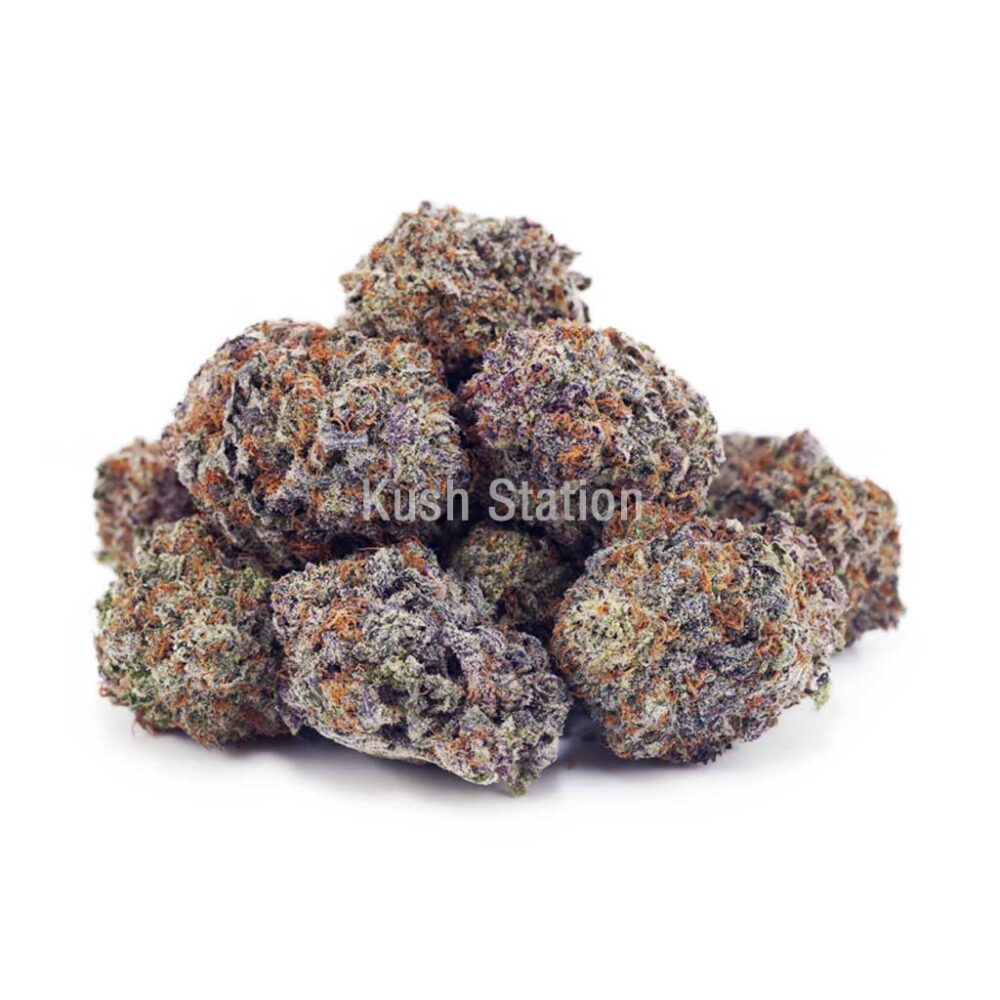
Genetically, this sativa is a cross between a Thai sativa and an indica landrace from the region around the Himalayas. The result is a plant that grows tall and lanky in the vegetative stage, with a flowering cycle that runs about nine to ten weeks. It is not the easiest strain to grow, but it rewards patience with dense, resin-coated buds that smell like freshly cut mango and damp earth. The terpene profile leans heavily on myrcene, caryophyllene, and humulene, which together produce a sweet, slightly spicy aroma with a hint of pine. When you grind it, the scent fills the room in a way that tells you this is craft cannabis, not something mass-produced in a warehouse.
The Laughing Buddha strain is often described as a daytime smoke, and that is accurate as long as you respect its potency. A single bong rip can send you into a state of heightened curiosity. You might find yourself reading the same paragraph three times because the ideas keep branching into new thoughts. That is the myrcene at work, amplifying the sensory experience and keeping your mind agile. For creative work, for long walks, for conversations that need a little loosening, this strain fits well.
How It Compares to Other Sativas
If you have smoked Green Crack, you know that strain hits hard and fast, almost like a caffeine jolt. The Laughing Buddha strain is smoother. It builds gradually, like the first cup of pour-over coffee that actually turns out right. It shares some of that same cerebral energy with strains like Super Lemon Haze, but where Super Lemon Haze can sometimes feel scattered, this one stays focused. It is less anxious than Sour Diesel, more grounded than Pineapple Express. It sits somewhere in the middle of the sativa spectrum, which makes it a good choice for people who find other sativas too intense or too short-lived.
I have also seen it compared favorably to Jack Herer, another classic sativa that has been around for decades. Jack Herer is a benchmark for a reason, but it can lean a little racy for some users. The Laughing Buddha strain offers a similar clarity with a softer landing. It is the kind of strain you can smoke before heading into a meeting or a social event and still feel like yourself, just a more engaged version.
Terpenes and the Sensory Experience
Understanding a strain goes beyond its name and reputation. The real story is in the terpenes. Myrcene, the most common terpene in cannabis, appears in high levels in this strain. It contributes to the sedative, relaxing effects that balance the sativa energy. Caryophyllene adds a peppery, spicy note that cuts through the sweetness, while humulene brings a woody, earthy undertone. Together, these compounds create a profile that is complex but not overwhelming. You can pick out individual notes if you pay attention, but the overall impression is one of harmony.
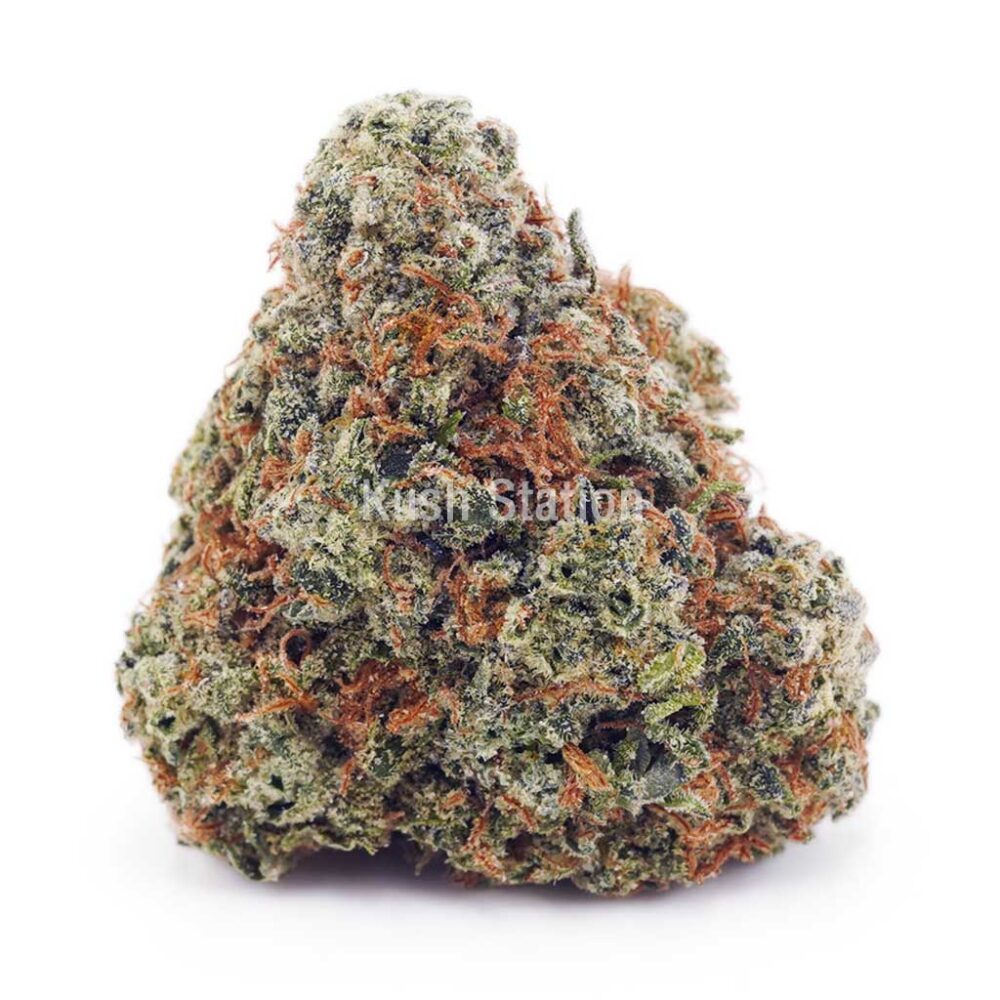
When I grew this strain myself a couple of seasons ago, the scent changed noticeably during the curing process. Early on, it was aggressively fruity, almost cloying. After six weeks in glass jars, the caryophyllene became more prominent, and the sweetness settled into something more like dried mango than fresh. That evolution is one of the things that makes craft cannabis worthwhile. It is not just about smoking a product; it is about experiencing a process.
Growing and Sourcing Considerations
For home growers, this strain is a moderate challenge. It stretches aggressively during the first two weeks of flower, so you need to plan your vertical space accordingly. It responds well to training techniques like topping and low-stress bending. The yield is solid, especially if you let it go the full ten weeks. I have seen plants produce nearly six ounces per square meter under LED lights with good nutrient management.
If you are buying rather than growing, look for vendors who test their flower and clearly label the harvest date. The Laughing Buddha strain holds its potency well if stored properly, but old stock can lose the subtler terpene notes. Reputable sellers like Kush Station offer lab-tested batches with transparent sourcing, often from growers in British Columbia or elsewhere in Canada. That kind of traceability matters, especially when you are paying for AAAA-grade cannabis. You want to know that the flower in your hand was grown with care, not rushed through a factory schedule.
Pairing the Laughing Buddha Strain with Other Strains
Some people like to keep a rotation. I do too. The Laughing Buddha strain works well as a morning or early-afternoon choice, but I have found it pairs nicely with something heavier later in the day. A small bowl of Blue Dream after dinner can extend the mood without tipping into sedation. If you want a contrast, try a hit of Banana OG in the evening. The creamy, dessert-like profile of Banana OG creates a noticeable counterpoint to the bright, citrusy notes of the Laughing Buddha strain. It is like switching from a crisp white wine to a dark stout. Both are good, but they serve different moments.
White Widow is another classic that complements this sativa well. White Widow brings a balanced, resin-heavy experience that can ground the flighty energy of the Laughing Buddha strain. Smoking them back to back gives you a full tour of what cannabis sativa can offer: the clarity and drive of a pure sativa, followed by the evenness of a hybrid that knows how to settle down.
Final Thoughts on the Laughing Buddha Strain
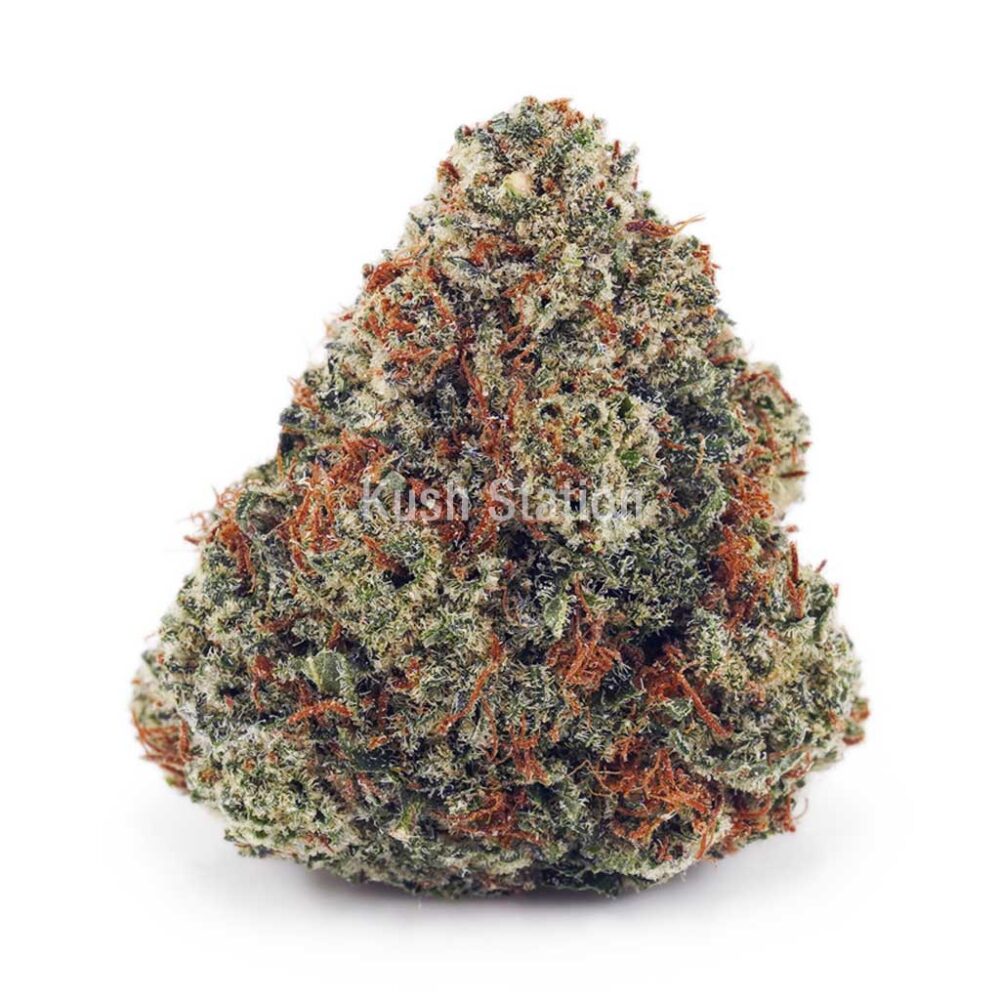
There are hundreds of sativa strains on the market, and a lot of them are forgettable. The Laughing Buddha strain is not one of them. It has earned its place through consistency, through a flavor profile that rewards attention, and through an effect that actually matches the description on the jar. It is not the strongest sativa out there. It is not the cheapest either. But it is one of the most reliable. For anyone looking to explore the upper end of the sativa spectrum without getting lost in anxiety or overstimulation, this strain is a solid choice.
Whether you are a long-time fan of Girl Scout Cookies and want to try something different, or you are new to craft cannabis and curious about what a well-grown sativa can do, give this one a shot. Find a batch from a trusted source, grind it fresh, and take a moment to appreciate the terpenes. The experience is worth the effort.